
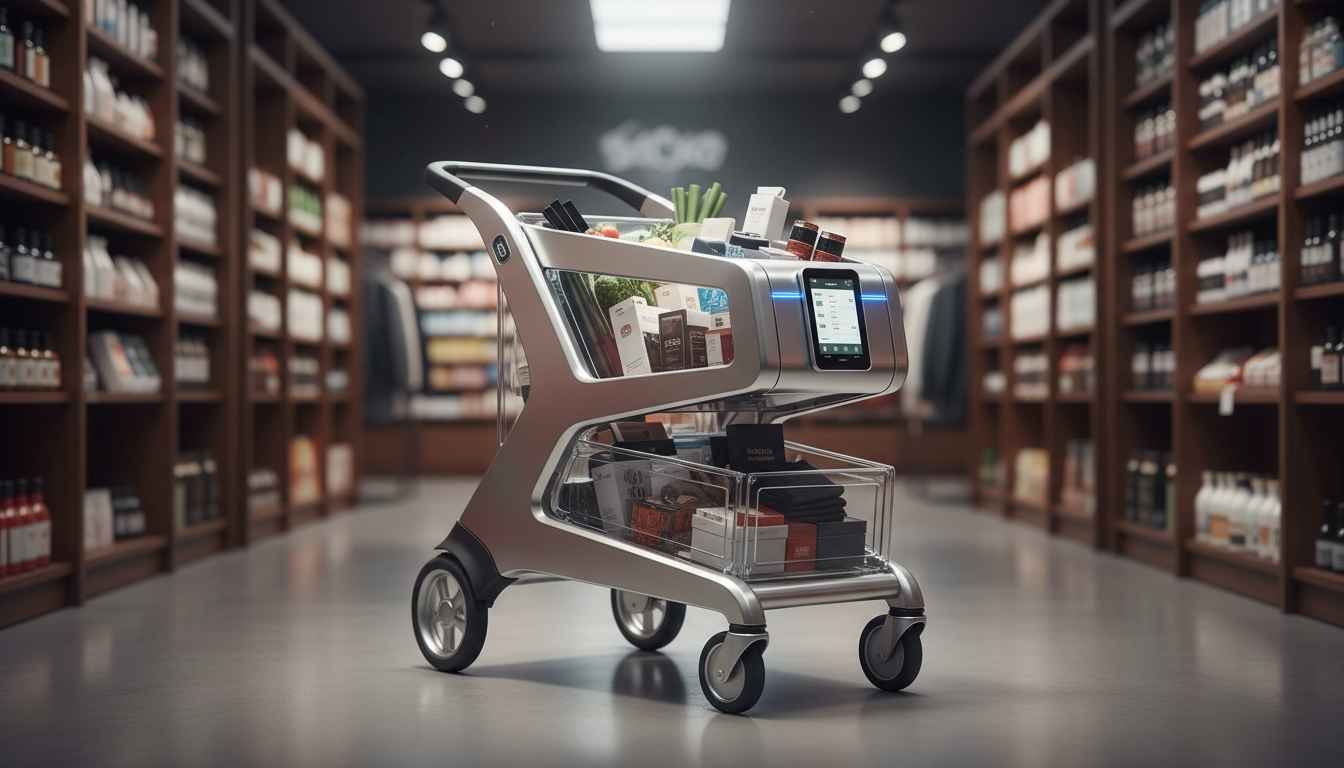
Don’t read this unless you’re ready to face inefficiencies in your retail workflow head-on. Many retailers underestimate the silent impact of a poorly organized chariot system. The right retail chariot can transform your floor operations, streamline customer purchases, and even improve your employee performance metrics.
Ingredients/Materials
Retail Chariot: 1 robust unit capable of handling 50kg load
POS System Integration Module: 1 per chariot
Barcode Scanner: 1 handheld unit
Inventory Sensor Tags: 50 units per chariot
Employee Training Manual: 1 copy per staff member
How the ROI Calculator Works
Calculating ROI for a retail chariot is deceptively simple but often misapplied. Start by measuring time saved per transaction. For instance, if a chariot reduces checkout delays by 30 seconds per customer and your store handles 1,000 customers weekly, that totals 500 minutes saved. Translate this into labor cost reduction or potential for additional sales. Factor in the initial cost of chariot implementation and maintenance to get your net gain. Accuracy in measurement is key – my first mistake was assuming the average customer weight per chariot could be standardized without considering seasonal peaks, which skewed ROI calculations by 18% in the first quarter.
Next, consider upsell opportunities. A strategically designed retail chariot encourages add-on purchases by positioning high-margin items within easy reach. Even a modest 5% increase in average transaction value can drastically affect your bottom line when scaled across multiple chariots and store locations.
Integration with digital solutions is essential. A POS-integrated retail chariot allows real-time inventory tracking, automatically updating stock levels with every transaction. This minimizes stock-outs and reduces overstock risks. For example, using KORONA POS, chariots can be monitored and managed remotely, providing actionable insights on usage patterns, peak hours, and employee efficiency.
Potential Drawbacks
Retail chariots are not a universal solution. They require upfront capital and ongoing maintenance. Over-reliance on technology without adequate staff training can lead to underutilization. Furthermore, in stores with narrow aisles or limited space, a large chariot may impede rather than improve workflow. Understanding your store layout and customer behavior is crucial before investment.
Despite these challenges, a properly implemented retail chariot can be a game-changer. It’s about balancing cost, design, and integration for a measurable boost in operational efficiency and sales performance.
This topic connects naturally with Strategies for Faculty Development — exploring it will give you a more complete picture.
As businesses adapt to new technologies, it’s also important to explore the cultural and scenic landscapes that inspire creativity and innovation; for instance, there are many places to visit on the north shore that offer breathtaking views and rich cultural experiences, which can serve as a refreshing break from the hustle of retail operations.
