
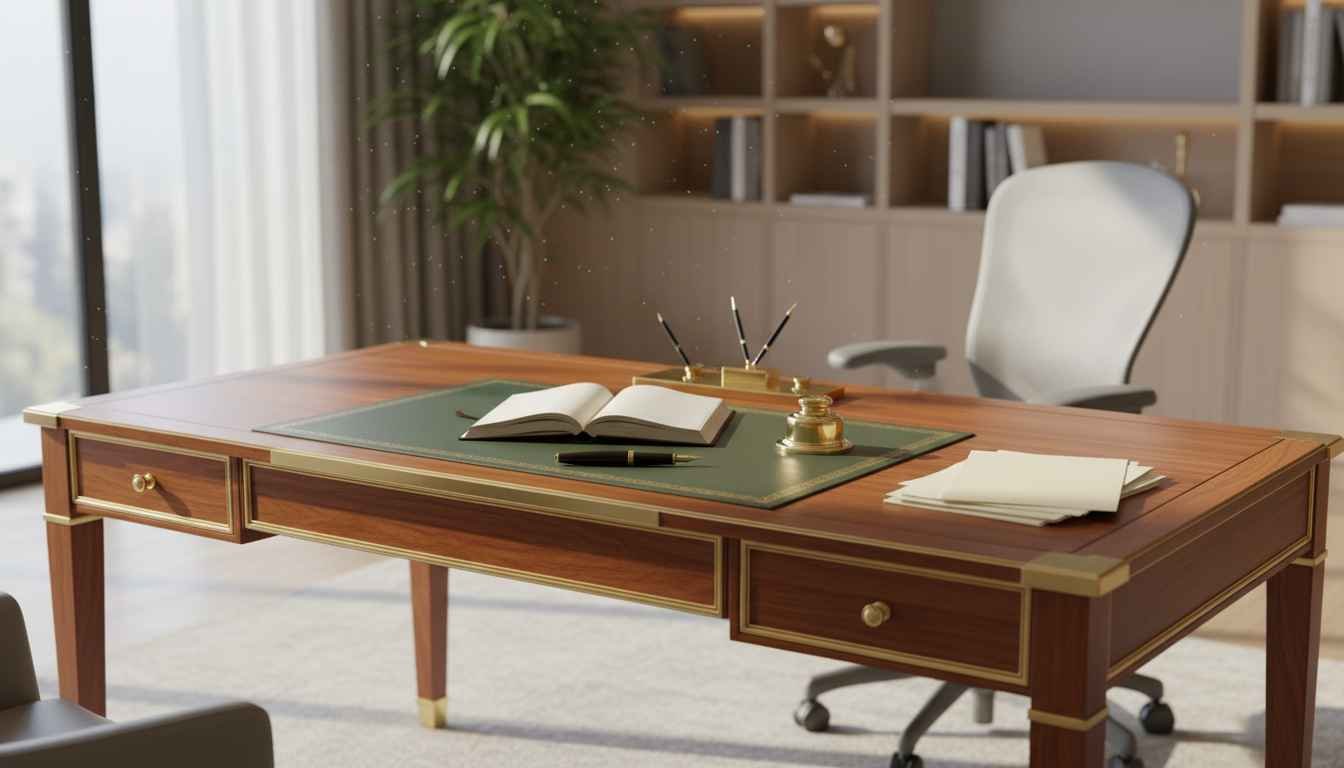
Imagine if you could sit down at a desk that inspires your best work, yet every time you try, you feel restricted, cluttered, or creatively blocked. The English writing desk, a classic piece of furniture with a storied history, promises elegance and function – but only if chosen and used correctly. Many writers, myself included, have spent hours staring at a beautiful desk, only to realize that aesthetics alone cannot solve the practical problems of writing.
Key Takeaways
– English writing desks offer a balance of style and function but require careful selection to fit your workflow.
– Common issues include inadequate storage, poor ergonomics, and distracting ornamentation.
– Choosing the right desk involves assessing space, writing habits, and long-term durability.
– Some desks are better suited for traditional paper writing, while others adapt to modern digital needs.
– Awareness of potential drawbacks helps prevent wasted investment and frustration.
Understanding the English Writing Desk
The English writing desk is more than just a table; it is a statement of intent. Traditionally, these desks feature a slanted top, drawers for pens and paper, and an overall compact design suited for small spaces. Historically, they were designed for correspondence and literary work, emphasizing organization and focus. However, translating that traditional function into a modern writer’s routine is not straightforward.
One mistake I personally made was purchasing a desk that looked perfect in photos but had drawers too shallow to accommodate my notebooks and laptop peripherals. For months, my desk became a source of frustration rather than productivity. This experience underlines the importance of examining dimensions, drawer depth, and storage layout before committing.
Common Problems and How to Fix Them
1. Insufficient Workspace
Many English writing desks have small surfaces. While aesthetically pleasing, a surface that barely fits your laptop and a notebook creates constant juggling. Solutions include adding a small side table for overflow items or choosing a desk with a fold-out writing surface if your space allows. Avoid attempting to cram multiple monitors or large reference books on a surface that wasn’t designed for them.
2. Drawer Limitations
Drawers are often the selling point of these desks, but shallow or awkwardly shaped drawers can hinder more than help. Standard office supplies like staplers, external drives, or power strips may not fit. Opt for desks where drawers are measured carefully, and consider using drawer organizers to maximize storage efficiency.
3. Poor Ergonomics
Traditional English writing desks were designed for quills and ink, not modern computers. Sitting for hours on a desk that is too high or too low can cause strain. Adjustable chairs or desk risers can mitigate this, but a proper measurement of elbow height versus desk surface is essential before purchase. Ignoring ergonomics is a mistake I made early in my career, leading to persistent wrist discomfort.
When embarking on the journey of securing funding for your project, understanding the financial landscape of grant writing is crucial. Many organizations underestimate the total costs involved in the process, leading to unexpected hurdles down the line. In our article titled “Fees for Grant Writing and the Hidden Costs You Must Know,” we delve into the various expenses that can arise, from consultant fees to administrative overhead. It’s essential to be informed about these fees for grant writing and to consider them in your budget planning. By gaining a clearer picture of these costs, you can make more strategic decisions and enhance your chances of securing the funding necessary to bring your vision to life.
4. Maintenance and Durability
Many desks feature delicate finishes, intricate carvings, or veneers that require careful upkeep. Scratches, water rings, and sun damage are common issues. Regular polishing and protective mats help, but be realistic about how much care your schedule allows. A desk that looks perfect in a showroom may not withstand daily use without attention.
Modern Adaptations
For writers today, integrating technology into a classic design can be tricky. Some English writing desks are now built with hidden cable management, keyboard trays, and even charging stations. Choosing one of these modern adaptations can save frustration while preserving the elegance of the traditional desk. If your workflow involves frequent digital research, these adjustments are almost mandatory.
For those looking to publish digitally, pairing your desk with tools like Ghost can streamline writing, editing, and subscription-based distribution. A desk that supports long-form writing physically and platforms like Ghost digitally ensures a seamless creative process.
Potential Drawbacks
Not every writer benefits from an English writing desk. Space constraints, digital-heavy workflows, or a preference for minimalism may make these desks more of a hindrance than a help. Additionally, cost can be high for authentic pieces or quality reproductions. Prospective buyers should weigh the aesthetic appeal against practical utility, especially if desk space is limited or if the desk will see frequent relocation.
Choosing the Right Desk
When selecting an English writing desk, consider the following:
– Surface area relative to your writing tools
– Drawer dimensions and configuration
– Ergonomic compatibility with your chair and sitting posture
– Maintenance requirements for the materials used
– Adaptability for modern technology
Visiting stores in person, measuring carefully, and testing usability can prevent common pitfalls. Even a beautiful desk can become a source of frustration if it doesn’t suit your workflow or space.
Conclusion
The English writing desk is a fusion of tradition, aesthetics, and practical design. When selected and used thoughtfully, it can enhance focus, organization, and the writing experience. However, overlooking ergonomic considerations, drawer usability, or workspace dimensions can transform this iconic piece into a constant frustration. A critical, scrutinizing approach – paired with careful measurements and realistic expectations – ensures that your desk supports your creative endeavors rather than obstructing them.
