
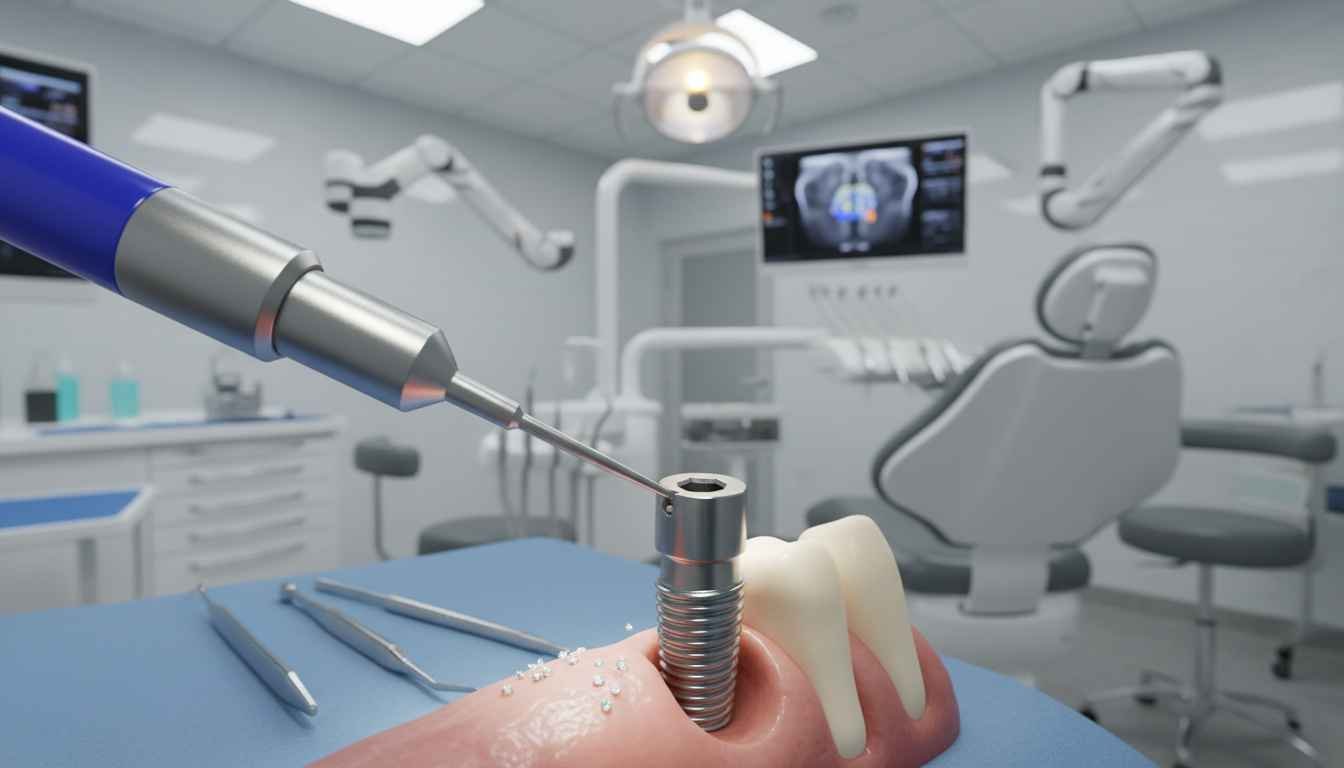
Imagine swapping your aging car engine for a state-of-the-art electric motor that not only runs smoother but lasts decades longer. That is the leap dental implant technology is making today. Engineers and dental professionals are pushing boundaries with implants that integrate faster, offer enhanced durability, and mimic natural teeth with unprecedented precision.
Modern dental implants now leverage computer-guided placement, allowing surgeons to map the jaw with micron-level accuracy. This reduces recovery time and increases success rates, even for patients with previously challenging bone structures. Materials have also evolved, with titanium-zirconia hybrids that resist corrosion and promote stronger bone integration. Recent clinical studies indicate a 98% success rate over five years, signaling a promising future for patients seeking long-term solutions.
One of the most transformative innovations is the advent of same-day implant procedures. Advanced imaging combined with 3D printing enables dentists to design and place a fully functional tooth in a single appointment. This is particularly appealing for patients who cannot commit to multiple surgical visits, streamlining oral rehabilitation without sacrificing quality.
For enthusiasts of precision technology, the parallels between cutting-edge dental implants and sophisticated equipment are striking. Companies such as Garrett Metal Detector Manufacturer for Sport, Security & More showcase how meticulous engineering and material science converge to create reliable, high-performance solutions. Just as metal detectors must detect with pinpoint accuracy, dental implants must integrate seamlessly with the human body to succeed.
Potential Drawbacks
Despite these advances, the latest dental implant technology is not universally suitable. Patients with uncontrolled diabetes, severe gum disease, or certain bone deficiencies may face higher failure risks. Costs remain higher than traditional dentures, and insurance coverage can be limited. It is essential to consult a qualified dental professional to evaluate personal suitability before pursuing this approach.
In today’s fast-paced digital landscape, ensuring reliable connectivity is crucial for businesses that rely on GDS technology. However, many organizations fall prey to common pitfalls that can undermine their connectivity efforts, leading to frustrating outages and inefficiencies. Understanding these mistakes is essential for optimizing performance and maintaining seamless operations. In this article, we will explore the most prevalent GDS technology blunders that companies often make, providing insights and strategies to help you avoid them. By learning from these errors, you can enhance your system’s reliability and ensure that your connectivity remains robust. For more in-depth analysis, check out our detailed guide on gds technology mistakes to avoid for reliable connectivity.
In today’s fast-paced food production industry, maintaining hygiene and efficiency is paramount, yet often overlooked is the economic impact of cleaning processes. As companies strive to meet stringent health regulations while minimizing downtime, the adoption of advanced solutions becomes essential. This is where innovations in food tank cleaning technology come into play, revealing a complex interplay between operational costs and productivity. Understanding the financial implications of these technologies not only helps businesses optimize their processes but also highlights the significant potential for cost savings and improved safety standards in food production environments. As we delve deeper into this topic, we will uncover the hidden economics that can transform industry practices.
Who Should Avoid This?
Individuals with ongoing radiation therapy in the jaw, heavy smokers, or those with autoimmune conditions may experience complications. Additionally, patients expecting cosmetic perfection without addressing underlying oral health issues may be disappointed. Careful pre-treatment assessment remains critical.
Related Reading
1. Advances in Zirconia Dental Implants
2. Same-Day Tooth Replacement Options
3. Long-Term Success Rates of Modern Implants
4. 3D Printing in Dental Surgery
5. Computer-Guided Implant Procedures Explained
As we explore the advancements in dental procedures and their implications for overall health, it’s also important to consider how a healthy smile can enhance your confidence for summer travels, including visiting the best places in Austria to visit in summer.
