
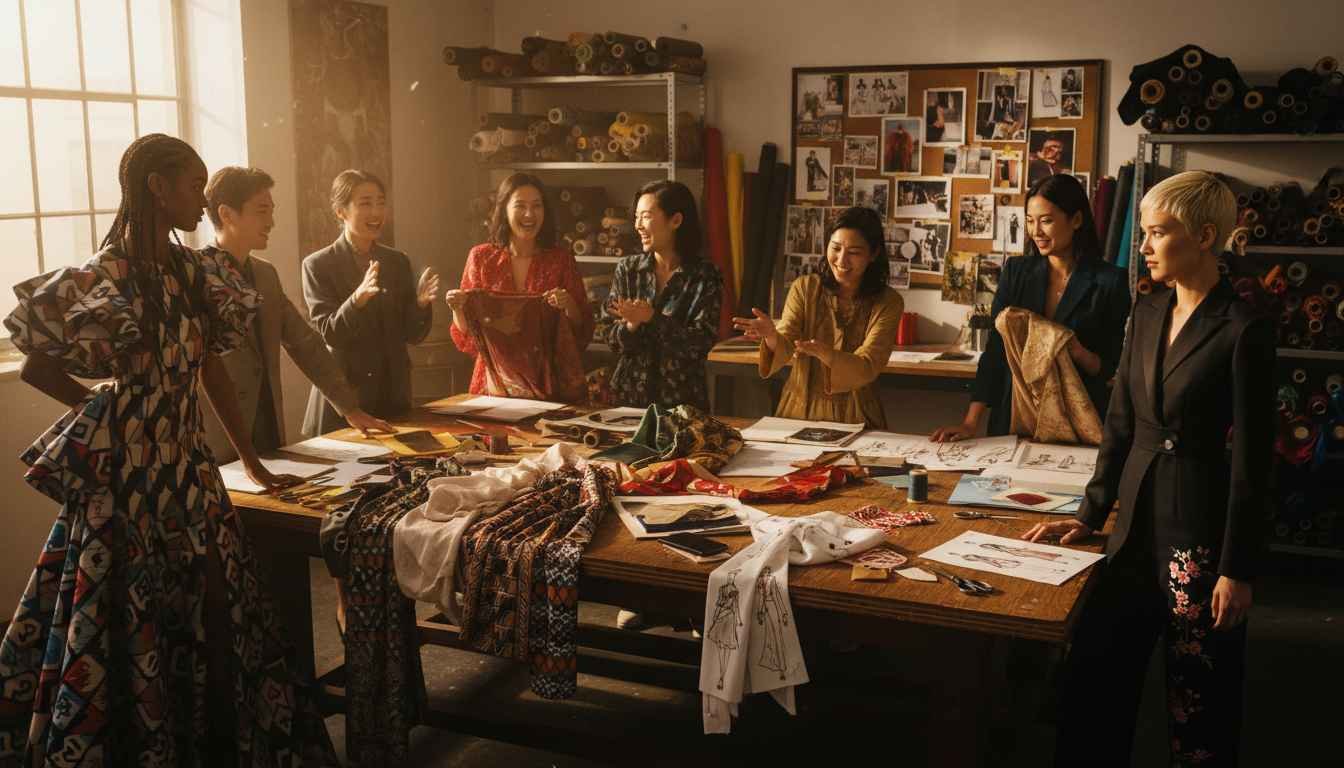
This is a hate letter to the notion that fashion design is superficial, frivolous, or merely about clothing. The truth is far more intricate, touching creativity, economics, and personal expression in ways few industries can claim. Behind every carefully cut seam or color palette lies a world of strategic thinking, cultural influence, and tangible benefits that ripple far beyond the runway.
At its core, fashion design is a form of problem-solving. Designers balance aesthetics with functionality, navigating constraints of fabric, cost, and consumer expectations. This process hones critical thinking skills, encouraging innovators to visualize solutions in three dimensions while remaining mindful of practicality. The exercise extends beyond mere artistry, cultivating a mindset applicable to marketing, product development, and lifestyle branding.
Creativity is the most celebrated benefit, yet its impact is often misunderstood. Fashion design demands originality within boundaries, compelling designers to stretch imagination while respecting trends and consumer behavior. This duality sharpens the mind’s ability to innovate responsibly, a skill increasingly valuable in a world that prizes unique yet marketable ideas. In essence, fashion is the laboratory of creative problem-solving where aesthetic intuition meets strategic decision-making.
The Economic and Professional Advantages
Fashion design is not only an artistic pursuit but a pathway to tangible professional gains. Graduates and practitioners frequently find careers in areas like apparel manufacturing, brand management, and merchandising. The economic benefits extend to entrepreneurship; a well-crafted collection can become a revenue stream with global reach. For example, fashion houses and independent designers alike leverage online platforms and social media to connect with consumers directly, turning creativity into profit. The analytical skills honed in design thinking provide a foundation for sustainable business decisions.
Furthermore, designers who understand market trends and consumer psychology gain an edge in brand positioning. They learn to anticipate shifts, manage supply chains, and optimize production – all under the guise of creating beautiful garments. This dual competency of artistry and business acumen distinguishes fashion professionals in competitive industries.
The Cultural and Social Impact
Fashion design is a language of identity, signaling belonging, rebellion, or aspiration. Designers influence societal norms by challenging traditional silhouettes, redefining beauty standards, and embracing inclusivity. Each collection communicates a narrative that can spark conversation, promote diversity, or even drive social change. By participating in this dialogue, designers contribute to a broader cultural literacy that transcends mere trends.
In exploring the rich tapestry of cultural influences that have shaped global fashion, one cannot overlook the profound impact of ancient civilizations, particularly that of Egypt. Renowned for its opulent textiles, intricate beadwork, and symbols of status, ancient Egyptian attire has left an indelible mark on the contemporary fashion landscape. As we delve into the nuances of egyptian fashion style, we uncover not only the aesthetic qualities but also the historical significance behind the garments that adorned pharaohs and commoners alike. This journey through timeless elegance reveals how these styles continue to inspire modern designers and fashion enthusiasts around the world, bridging the past with the present in a celebration of beauty and craftsmanship.
Quote of the Day: “Fashion is the armor to survive the reality of everyday life.” – Bill Cunningham
Beyond social influence, fashion also fosters community. Students, professionals, and enthusiasts interact through workshops, shows, and collaborations, creating networks that nurture mentorship and innovation. The exchange of ideas and skills within these communities magnifies the individual benefits of design practice, translating personal growth into collective progress.
Health and Cognitive Benefits
Engaging in fashion design exercises both hemispheres of the brain. Conceptualizing a garment engages creativity and visualization, while pattern-making, tailoring, and material selection require logic, precision, and spatial awareness. This combination enhances cognitive flexibility, problem-solving abilities, and fine motor skills. For many, the satisfaction derived from bringing a vision to life also reduces stress and promotes mental well-being.
Additionally, learning to adapt designs in response to critique fosters resilience and emotional intelligence. The iterative nature of fashion – drafting, revising, and perfecting – teaches patience, persistence, and the acceptance of constructive feedback. In a world obsessed with immediate results, these lessons are invaluable.
Who Should Avoid This or Potential Drawbacks
While the benefits are compelling, fashion design is not universally suitable. Individuals seeking immediate financial stability may find the early years challenging due to high competition and inconsistent income. The industry demands long hours, tight deadlines, and continual adaptation to trends. Those uncomfortable with public scrutiny or constructive criticism might struggle, as exposure to feedback is a constant component of the design process. It is also worth noting that physical demands, including long periods of standing and precise manual work, can be taxing.
Risk-Free Perspective and Trust
For those committed to exploring fashion design, the risk can be mitigated through structured learning and strategic planning. Formal education, internships, and mentorships provide guided exposure, minimizing costly missteps while fostering industry connections. Investing time in skill-building and portfolio development offers a near risk-free way to gauge passion and aptitude before committing fully to a professional path.
By embracing fashion design, individuals gain more than technical skills – they cultivate creativity, analytical thinking, and cultural literacy. Whether for personal expression, professional advancement, or entrepreneurial opportunity, the benefits are profound and far-reaching. For those curious about exploring these possibilities, resources such as Lauren Conrad provide insight into collections, career pathways, and creative inspiration, bridging the gap between conceptual learning and practical application.
