
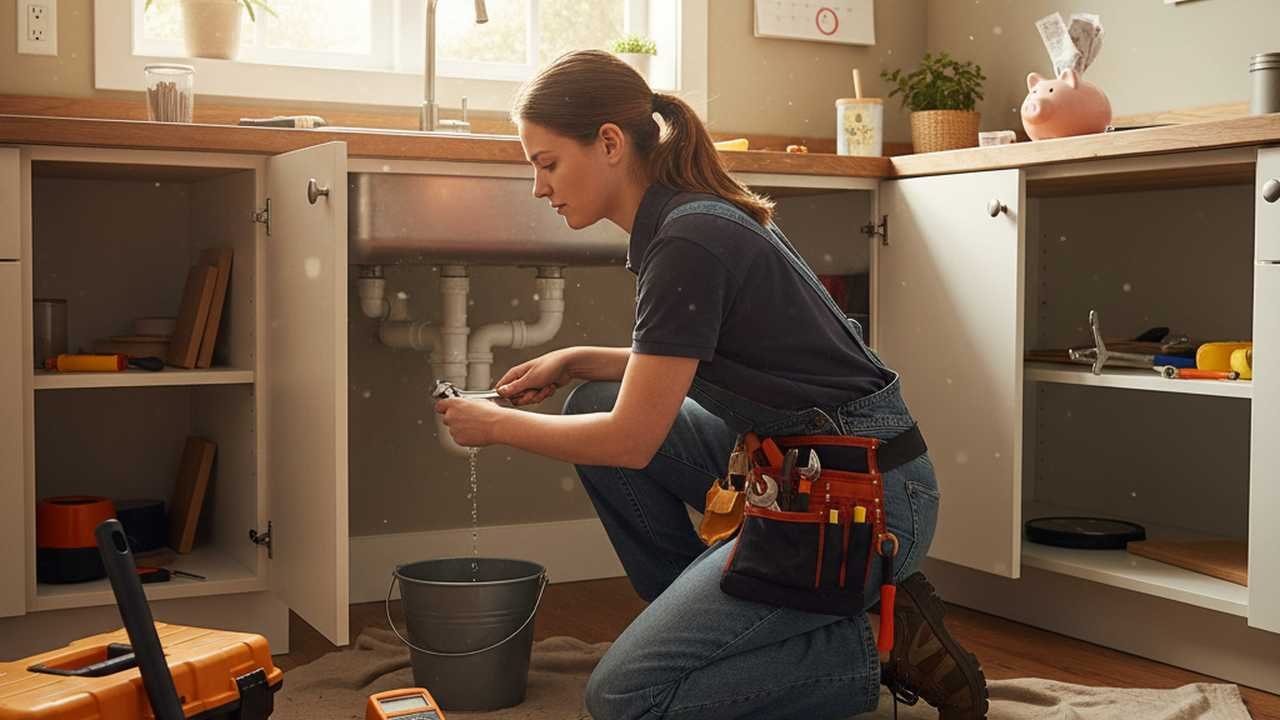
In a world where every penny counts and time slips away like sand through your fingers, the urge to take control of your home repairs has never been more pressing. Imagine the satisfaction of fixing that leaky faucet, patching up a hole in the wall, or installing a new light fixture – all by yourself. These aren’t just tasks; they’re opportunities to reclaim your space, save money, and gain a sense of accomplishment that money can’t buy. But here’s the catch: every day you delay is another day you’re potentially wasting hundreds of dollars on professional services that you could easily handle yourself. Don’t let procrastination rob you of the power to improve your home and your finances. The time to act is now.
Understanding the Power of DIY Repairs
Embarking on DIY repairs isn’t merely about fixing what’s broken; it’s about empowerment. When you take the reins, you’re not just saving money – you’re investing in yourself. The average homeowner spends a significant portion of their income on professional repairs, often for tasks that are well within their capability to tackle. For instance, fixing a leaky faucet or replacing a broken tile can cost a professional anywhere from $100 to $300, depending on the complexity. However, with a modest investment in tools and a bit of guidance, these are tasks you can master. The satisfaction of completing a project yourself is unparalleled, and the financial savings are substantial. Imagine redirecting those funds into something meaningful – like a vacation, a new gadget, or even boosting your savings. The question isn’t whether you can afford to DIY; it’s whether you can afford not to.
Essential Tools Every DIY Enthusiast Should Own
Before diving into DIY repairs, it’s crucial to equip yourself with the right tools. Having a well-stocked toolkit can make the difference between a successful project and a frustrating failure. At the very least, your toolkit should include a hammer, a set of screwdrivers (both flathead and Phillips), pliers, a tape measure, a utility knife, a level, and a cordless drill. These basic tools can handle a multitude of tasks, from hanging pictures to assembling furniture. As you gain confidence and tackle more complex projects, you might consider adding items like a saw, a wrench set, or a stud finder. Remember, investing in quality tools can save you time and money in the long run. It’s not about having the most expensive equipment; it’s about having the right tools for the job at hand. Don’t let a lack of tools hold you back from the satisfaction and savings that come with DIY repairs.
Common Household Repairs You Can Tackle Yourself
Many homeowners shy away from repairs, assuming they’re too complicated or require professional expertise. However, numerous tasks are straightforward and can be completed with minimal experience. For example, fixing a leaky faucet often involves replacing a worn-out washer – a task that can be accomplished in under an hour with a few basic tools. Similarly, patching up small holes in drywall is a simple process that requires spackle, a putty knife, and some sandpaper. Even more involved projects, like installing a new light fixture or replacing a toilet seat, are manageable with the right instructions and a bit of patience. The key is to start with small projects to build your confidence and skills. As you gain experience, you’ll find yourself tackling more complex repairs with ease. Remember, every successful project boosts your confidence and reinforces the value of DIY repairs.
When to Call a Professional
While many repairs are suitable for DIY, some situations require professional intervention. Electrical work, major plumbing issues, and structural repairs are areas where expertise is essential. Attempting these tasks without proper knowledge can lead to accidents, further damage, or voiding warranties. It’s important to recognize your limits and know when to seek help. If a project feels beyond your skill level or involves risks that you’re uncomfortable with, it’s wise to consult a professional. However, for most minor repairs, taking the DIY route can save you money and provide a sense of accomplishment. The key is to assess each situation carefully and make informed decisions about when to DIY and when to call in the experts.
Budgeting for DIY Repairs
One of the most appealing aspects of DIY repairs is the potential for significant cost savings. However, to maximize these savings, it’s essential to budget effectively. Start by estimating the costs of materials and tools you’ll need for each project. Many home improvement stores offer online calculators or project estimators to help with this. Additionally, consider the long-term savings of investing in quality tools that can be used for multiple projects. Keep in mind that while some projects may require an initial investment, the return on that investment in terms of saved labor costs can be substantial. For example, installing a new backsplash in your kitchen might cost you $200 in materials, but hiring a professional could set you back $1,000 or more. By budgeting wisely and planning ahead, you can enjoy the satisfaction of DIY repairs without breaking the bank.
Learning Resources for DIY Repairs
In today’s digital age, learning how to perform DIY repairs has never been easier. Numerous online resources offer step-by-step tutorials, instructional videos, and forums where you can ask questions and share experiences. Websites like YouTube have countless channels dedicated to home improvement, providing visual demonstrations that make complex tasks more approachable. Additionally, many home improvement stores offer workshops and classes on various topics, from basic plumbing to advanced carpentry. Don’t hesitate to take advantage of these resources to expand your knowledge and skills. The more you learn, the more confident and capable you’ll become in handling DIY repairs. Remember, the only limit to what you can achieve is the knowledge you choose to acquire.
Safety First: Precautions to Take Before Starting a Project
Safety should always be your top priority when undertaking DIY repairs. Before starting any project, ensure you have a clear understanding of the task at hand and the necessary precautions. For example, when working with electricity, always turn off the power at the circuit breaker before beginning. When handling tools, wear appropriate safety gear, such as goggles and gloves, to protect yourself from potential injuries. Additionally, ensure your workspace is clean and well-lit to reduce the risk of accidents. If you’re unsure about any aspect of a project, take the time to research and seek advice before proceeding. Remember, no repair is worth compromising your safety. By taking the necessary precautions, you can enjoy the benefits of DIY repairs without unnecessary risks.
Reaping the Rewards of DIY Repairs
The benefits of DIY repairs extend beyond financial savings. Successfully completing a project can boost your confidence and provide a sense of accomplishment. It also allows you to personalize your living space, making it truly your own. Furthermore, the skills you acquire can be applied to future projects, increasing your self-reliance and reducing your dependence on professionals. As you continue to tackle DIY repairs, you’ll find that your home becomes more comfortable, functional, and reflective of your personal style. The journey of DIY repairs is not just about fixing what’s broken; it’s about creating a space that you love and are proud of. So, roll up your sleeves, gather your tools, and start transforming your home today.
If you want to enhance your DIY skills and save on repair costs, embracing a project re education can transform your approach to home maintenance.
As you embark on your DIY journey, remember that taking breaks to explore your surroundings can further inspire your creativity. If you’re looking for a refreshing getaway, consider checking out the best places to visit in south uk that offer stunning scenery and unique experiences to rejuvenate your spirit.
