
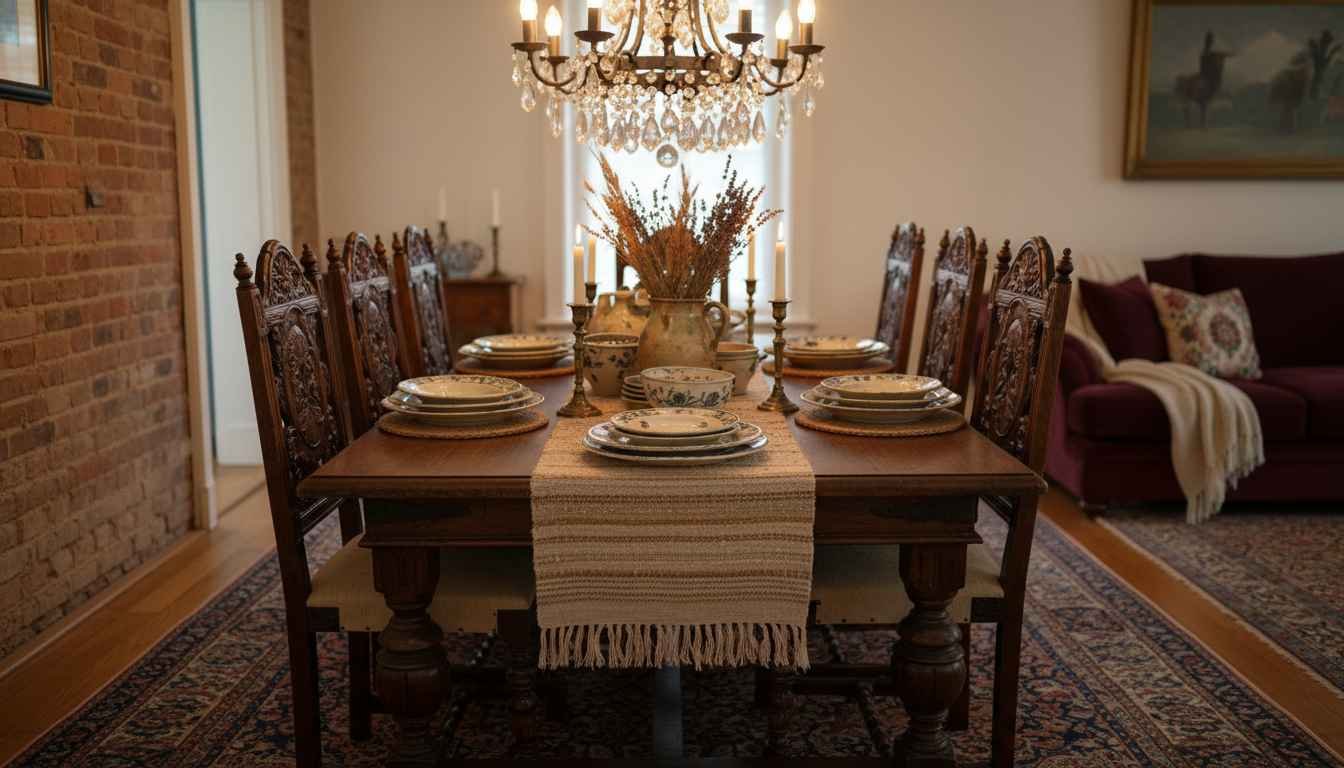
Imagine if you could walk into your home and feel like you’ve stepped into a time capsule, where every piece of furniture, lighting, and accessory tells a story. Heritage home decor isn’t about trends – it’s about authenticity, craftsmanship, and creating an environment that honors the past while still serving the practical needs of today. This is not a superficial makeover; it’s a calculated protocol for a home that ages gracefully, conveys warmth, and exudes a sense of legacy.
Heritage home decor relies heavily on materials and design techniques that have stood the test of time. Solid wood furniture, wrought iron accents, vintage textiles, and hand-forged metalwork are staples. These elements aren’t just decorative – they’re functional and durable, designed to withstand daily wear. The key is selecting pieces that have an inherent history or mimic the craftsmanship of a bygone era. Every scratch, every patina tells a story and contributes to the home’s overall character.
Space planning in a heritage-inspired home requires strategic attention. Unlike modern minimalist approaches, heritage interiors thrive on layering textures and patterns. Think of a wool rug over wide-plank hardwood floors, or a linen throw draped across a leather armchair. Each layer adds depth, warmth, and authenticity. Lighting should not be an afterthought – antler chandeliers, vintage lanterns, and hand-blown glass fixtures contribute both ambiance and period accuracy.
Textiles and fabrics are particularly crucial. Heritage home decor favors natural fibers such as wool, cotton, linen, and silk. They not only wear beautifully over time but also provide an organic touch that synthetic materials cannot replicate. Upholstery should be durable yet tactile, inviting touch and interaction rather than creating a sterile, untouchable environment. Curtains, throws, and cushions in muted tones or traditional patterns complement the rustic, lived-in aesthetic.
Color palettes are equally critical. Heritage homes lean toward muted, earthy tones – sage, deep ochre, rustic reds, and natural wood shades. Accent colors can be introduced through antiques or heirloom pieces, but the overarching goal is cohesion, not contrast. Walls can feature subtle textures, like lime plaster or matte paint finishes, to maintain authenticity. Wallpapers with classic motifs, when used sparingly, can also enhance the narrative of time.
When sourcing pieces, authenticity matters more than quantity. Salvage stores, antique shops, and artisan workshops are preferred over mass-produced furniture. Each item should have a story, whether it’s a handcrafted dining table or a restored grandfather clock. If sourcing originals isn’t feasible, high-quality reproductions that replicate traditional craftsmanship are acceptable. For practical purposes and peace of mind, check for durability, as some antique items may need reinforcement to meet modern safety standards.
Cabin Place provides a curated selection of heritage home decor items, from rustic furniture to unique lighting fixtures. They specialize in pieces that balance functionality with the aesthetic of a bygone era, making it easier to implement this protocol without sacrificing modern living standards.
Best For / Not Recommended For
Best For: Individuals who appreciate craftsmanship, history, and tactile, layered interiors. Homeowners willing to invest time in sourcing authentic or high-quality reproduction items. Those who want a home that tells a story and maintains warmth over decades.
Not Recommended For: People seeking minimalism or ultra-modern designs. Those on a strict budget may find sourcing authentic items cost-prohibitive. Anyone unwilling to invest in maintenance – solid wood and natural textiles require ongoing care to preserve their heritage quality.
Practical Implementation Steps
1. Start with structural authenticity: wood floors, exposed beams, or brick walls set the foundation. This provides the visual anchor for the heritage theme.
2. Layer textures strategically: rugs, throws, curtains, and upholstery must interact naturally. Avoid synthetic fabrics that clash with the organic feel.
3. Select statement furniture: focus on quality over quantity. Prioritize pieces with historical accuracy or handcrafted details.
4. Implement period-appropriate lighting: chandeliers, wall sconces, and table lamps should complement the furniture, not dominate it. Warm tones are preferable.
5. Curate accessories mindfully: vintage books, artwork, ceramics, and metal accents should enhance, not clutter. Each item must have relevance or story value.
6. Maintain cohesion: color, material, and scale should work harmoniously across rooms. Random modern insertions can disrupt the narrative.
Potential Drawbacks
Heritage home decor is not effortless. Maintaining wood finishes, textiles, and antique pieces requires dedication. Environmental factors like humidity can damage sensitive items. Certain antiques may lack modern functionality, such as drawers without smooth slides or lighting without updated wiring. Additionally, sourcing authentic items can be expensive and time-consuming.
Another consideration is flexibility. Heritage homes are inherently less adaptable to rapid lifestyle changes. While layering and decor allow for updates, the foundational aesthetic is fixed. If you anticipate frequent remodeling or a desire for ultra-modern convenience, this style may feel restrictive.
Conclusion
Heritage home decor is a deliberate choice for homeowners who value history, craftsmanship, and authenticity. It’s a long-term investment in both aesthetics and quality, demanding thoughtful selection, maintenance, and planning. By integrating solid wood furniture, layered textures, period lighting, and authentic accessories, you can achieve a home that exudes warmth and timelessness. While it may not suit everyone, those who embrace this protocol experience a living environment rich in story, character, and enduring beauty.
