
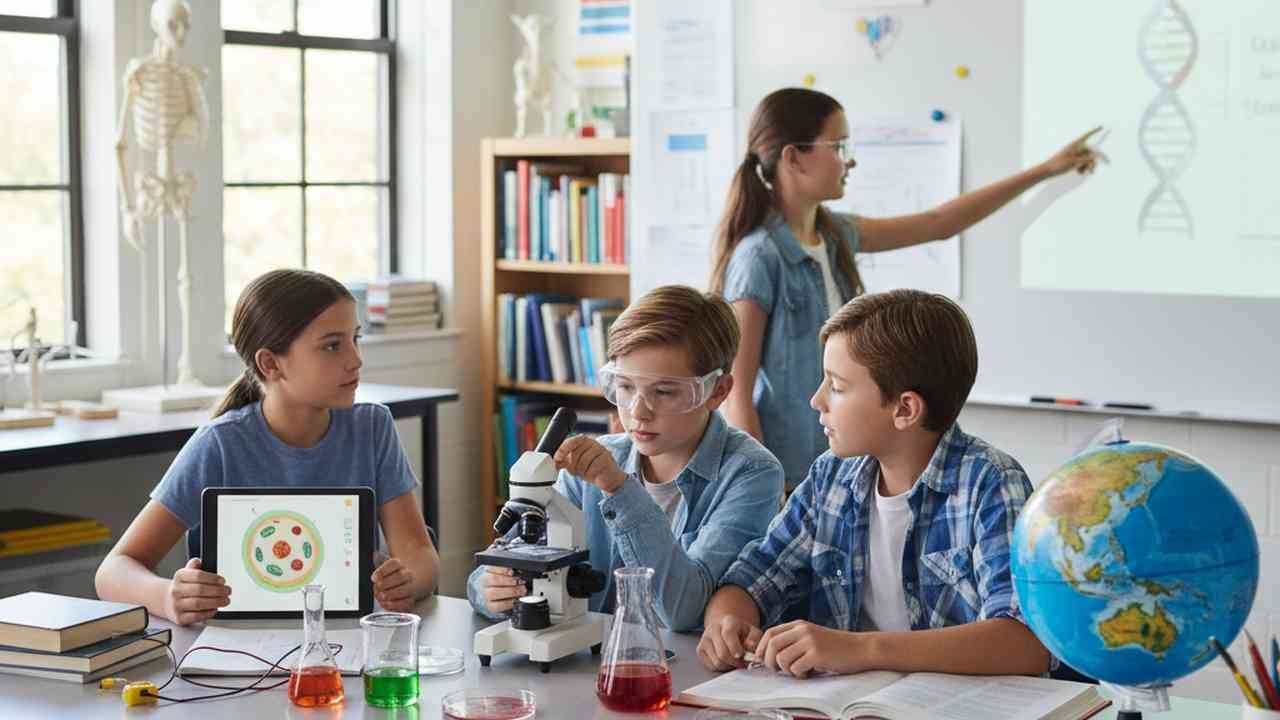
Imagine a classroom where the air buzzes with excitement, where students’ eyes gleam with curiosity, and where every lesson feels like an adventure into the unknown. This isn’t a distant dream – it’s the transformative power of integrating scientific research into classroom projects. Yet, many educators remain on the sidelines, hesitant to dive in. Don’t let your students miss out on this opportunity to engage with the world of science in a meaningful way. The time to act is now.
1. The Power of Real-World Connections
Scientific research isn’t confined to textbooks; it’s alive in the world around us. By connecting classroom lessons to real-world phenomena, students can see the relevance of their studies. For instance, a project on local water quality can involve students in collecting samples, analyzing data, and proposing solutions. This hands-on approach not only deepens understanding but also sparks a sense of responsibility and urgency. When students realize that their work can impact their community, their engagement soars.
2. Embracing Inquiry-Based Learning
At the heart of scientific research lies inquiry – the act of asking questions and seeking answers. By fostering an inquiry-based learning environment, educators empower students to take ownership of their learning. Encourage students to pose questions, design experiments, and analyze results. This approach cultivates critical thinking skills and a deeper understanding of scientific concepts. Moreover, it mirrors the authentic processes scientists use, bridging the gap between classroom learning and real-world research.
3. Integrating Technology to Enhance Research
In today’s digital age, technology offers unprecedented opportunities to enhance scientific research in the classroom. Tools like data analysis software, virtual simulations, and online databases can enrich students’ research experiences. For example, students can use digital microscopes to examine specimens or employ software to model ecological systems. By integrating these technologies, educators can provide students with a more comprehensive and engaging research experience, preparing them for future scientific endeavors.
4. Collaborative Projects Foster Deeper Learning
Science is rarely a solitary endeavor; it’s a collaborative pursuit. By organizing group projects, students learn to communicate effectively, share ideas, and work towards a common goal. Collaborative projects also mimic the teamwork prevalent in scientific research, where diverse perspectives contribute to innovative solutions. Whether it’s investigating the effects of pollution on local wildlife or designing a sustainable garden, collaborative projects not only enhance learning but also build essential life skills.
5. Encouraging Citizen Science Initiatives
Citizen science allows students to contribute to real scientific research, making them active participants in the scientific community. Projects like monitoring local biodiversity or tracking weather patterns provide students with authentic research experiences. These initiatives not only deepen students’ understanding of scientific methods but also instill a sense of civic responsibility. By participating in citizen science, students realize that science isn’t just something that happens in labs – it’s a tool they can use to make a difference in their world.
6. Connecting with Garden Education Jobs
For educators passionate about integrating science with nature, garden education offers a unique avenue. Garden educator jobs provide opportunities to teach students about plant biology, ecology, and sustainability through hands-on experiences. These roles often involve designing and implementing garden-based curricula, fostering environmental stewardship, and engaging students in outdoor learning. By pursuing garden education jobs, educators can inspire the next generation of scientists and environmental advocates, all while cultivating a love for nature.
7. Utilizing Local Resources for Authentic Research
Local resources, such as community gardens, nearby parks, and local experts, can serve as invaluable assets in classroom research projects. By tapping into these resources, educators can provide students with authentic research experiences that are both relevant and engaging. For instance, collaborating with local botanists can enhance a plant biology project, while conducting field studies in a nearby park can offer real-world insights into ecological systems. Utilizing local resources not only enriches the learning experience but also strengthens the connection between students and their community.
8. Showcasing Student Research to the Community
Sharing students’ research findings with the broader community can amplify the impact of their work. Organizing science fairs, publishing research in local newsletters, or presenting findings at community meetings allows students to see the real-world applications of their studies. This recognition not only boosts students’ confidence but also reinforces the value of their contributions. Moreover, showcasing student research fosters a culture of scientific inquiry within the community, inspiring others to engage with science in meaningful ways.
9. Overcoming Challenges in Implementing Research Projects
While integrating scientific research into classroom projects offers numerous benefits, it also presents challenges. Limited resources, time constraints, and varying levels of student preparedness can pose obstacles. However, these challenges are not insurmountable. By seeking grants, collaborating with local organizations, and leveraging community resources, educators can overcome these barriers. Additionally, starting with small-scale projects and gradually expanding can help manage workload and build confidence. With determination and creativity, educators can navigate challenges and create enriching research experiences for their students.
10. The Urgency of Action
The world is changing rapidly, and the need for scientific literacy has never been more pressing. By integrating scientific research into classroom projects, educators equip students with the skills and knowledge necessary to navigate and address the challenges of the 21st century. The time to act is now. Don’t let your students miss out on the opportunity to engage with science in a meaningful way. Take the first step today and transform your classroom into a hub of scientific inquiry and discovery.
If you want to enhance your teaching strategies, consider exploring the resources provided by the IEF Education Foundation to empower your students with essential coding and computational thinking skills.
If you embrace collaborative STEM learning, you will discover how it transforms students into life educated individuals, enhancing their communication and teamwork skills in the process.
