
Imagine stepping off the plane into a world where every scent, every sound, and every bite tells a story – a story that you can only experience by immersing yourself fully in the local culture. This isn’t just travel; it’s a sensory journey that connects you deeply with the heart of a place. If you’re yearning to break free from the typical tourist traps and dive into authentic experiences, then this guide is your passport to unforgettable adventures. But hurry – these opportunities are fleeting, and once they’re gone, they’re gone.
1. Seek Out Hidden Culinary Gems
Forget the glossy brochures and crowded tourist hotspots. The true essence of a destination lies in its hidden culinary treasures. Venture off the beaten path and seek out local eateries tucked away in alleyways or nestled in quiet neighborhoods. These establishments often serve dishes passed down through generations, prepared with love and tradition. Picture yourself savoring a bowl of steaming pho in a family-run shop in Hanoi, where the broth simmers for hours, absorbing the flavors of star anise and cinnamon. Or biting into a freshly made tamale in a small Mexican village, where the masa is perfectly seasoned, and the filling bursts with flavor. These are the experiences that make travel unforgettable.
Engage with the locals – ask them where they eat, what they recommend, and what dishes are unique to the region. Their insights can lead you to culinary delights that aren’t listed in any guidebook. Remember, the best meals are often found where the locals dine, away from the tourist crowds. So, put down the map, follow your senses, and let the authentic flavors of the place guide you.
2. Participate in Cooking Classes and Food Tours
One of the most immersive ways to connect with a culture is through its cuisine. Enroll in a cooking class where you can learn to prepare traditional dishes using local ingredients. Imagine kneading dough for pasta in a Tuscan kitchen, or grinding spices in a mortar and pestle in an Indian home. These hands-on experiences not only teach you culinary skills but also offer a glimpse into the daily lives and traditions of the people.
Food tours are another excellent way to explore a destination’s culinary landscape. Join a local guide as they take you through bustling markets, introduce you to street food vendors, and share stories about the history and significance of each dish. These tours often include tastings of regional specialties, allowing you to sample a variety of flavors and textures. Whether it’s savoring a slice of Neapolitan pizza in Italy or tasting dim sum in Hong Kong, food tours provide a comprehensive and delicious overview of a culture’s gastronomy.
3. Stay with Locals to Gain Insider Knowledge
Accommodation can be more than just a place to rest your head – it can be a gateway to authentic cultural experiences. Opt for homestays or guesthouses run by locals, where you can engage in conversations over shared meals and gain insights into daily life. Staying with locals allows you to experience the rhythm of their routines, the warmth of their hospitality, and the richness of their traditions.
Through these interactions, you might find yourself invited to family gatherings, local festivals, or community events. These invitations provide opportunities to participate in customs and rituals that tourists rarely witness. Whether it’s joining a family for a Sunday roast in England or celebrating a harvest festival in rural Japan, these experiences deepen your understanding and appreciation of the culture.
4. Explore Local Markets and Street Food
Markets are the lifeblood of many cultures, bustling with activity and brimming with fresh produce, spices, and handmade goods. Wander through local markets to observe the vibrant colors, hear the lively banter, and taste the offerings. Sample fruits you’ve never seen before, nibble on freshly baked bread, or sip on a local beverage. These markets are not just places to shop – they are windows into the soul of a community.
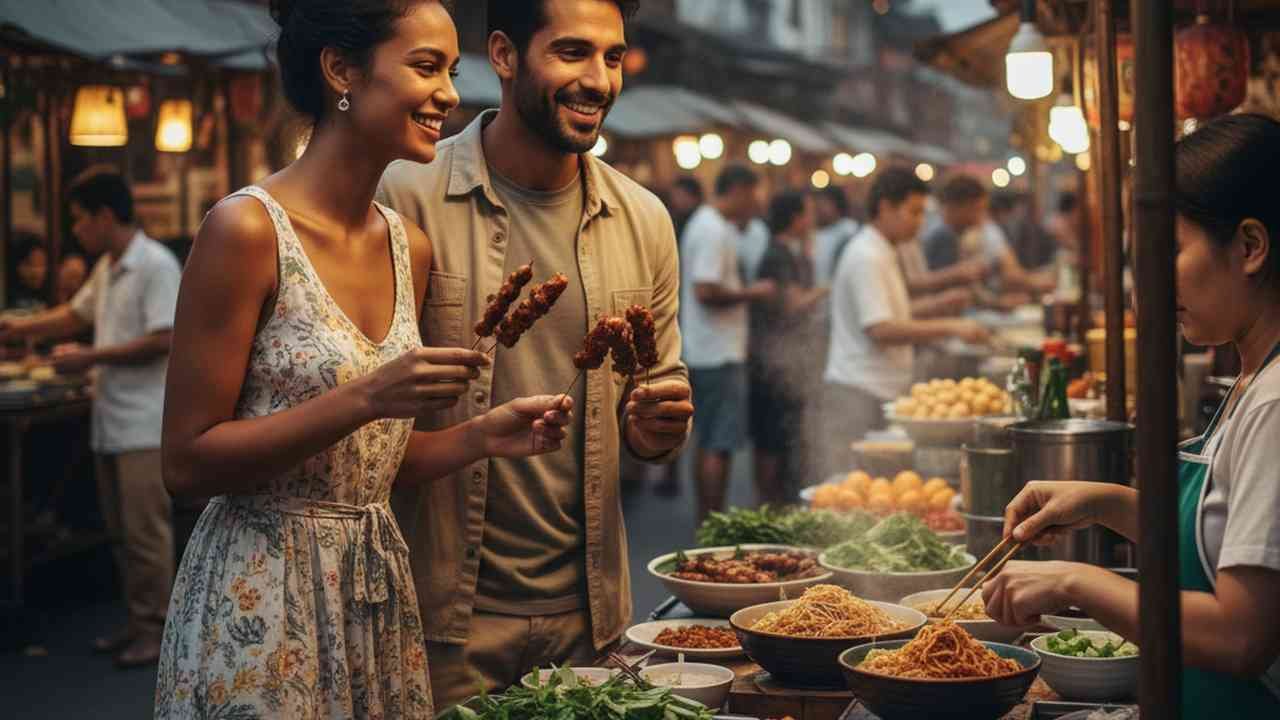
Street food is another avenue to explore authentic flavors. From sizzling skewers in Bangkok to crispy crepes in Paris, street food vendors offer quick, delicious, and affordable meals that reflect the culinary heritage of a place. Eating street food also provides an opportunity to interact with vendors, learn about their craft, and understand the cultural significance of the dishes they prepare.
5. Attend Cultural Festivals and Events
Festivals are celebrations of culture, history, and community. Attending a local festival allows you to experience traditions, music, dance, and cuisine in a lively and engaging setting. Whether it’s the vibrant colors of Holi in India, the rhythmic beats of samba during Carnival in Brazil, or the solemn processions of Semana Santa in Spain, festivals offer immersive experiences that connect you with the heart of a culture.
Participating in these events provides opportunities to learn traditional dances, try regional foods, and engage with locals in a festive atmosphere. These experiences are often fleeting, so plan your travels around these events to ensure you don’t miss out on these once-in-a-lifetime opportunities.
6. Learn the Language to Enhance Your Experience
Language is a powerful tool for connecting with others. Learning even a few basic phrases can enhance your travel experience by allowing you to communicate more effectively with locals, navigate menus, and understand cultural nuances. Simple greetings, expressions of gratitude, and polite phrases can go a long way in building rapport and showing respect for the culture.
Many destinations offer language classes or immersion programs for travelers. These programs provide structured lessons, cultural activities, and opportunities to practice speaking with native speakers. By investing time in learning the language, you not only enrich your travel experience but also demonstrate a genuine interest in the culture you’re visiting.
7. Respect Local Customs and Etiquette
Every culture has its own set of customs and etiquette that govern behavior, dress, and interactions. Researching and understanding these customs before your trip can help you navigate social situations with respect and sensitivity. For instance, in some cultures, removing your shoes before entering a home is customary, while in others, tipping may be considered impolite.
Observing and adhering to local customs shows respect for the culture and fosters positive interactions with locals. If you’re unsure about a particular practice, don’t hesitate to ask for guidance. Most people appreciate when visitors show interest in their traditions and are willing to share their knowledge.
8. Capture Memories Through Photography and Journaling
Documenting your experiences allows you to relive your travels and share your stories with others. Photography captures the visual beauty of a place, from stunning landscapes to intricate details. A well-composed photograph can convey the essence of a moment, preserving it for years to come.
Journaling complements photography by capturing the emotions, thoughts, and reflections that accompany your experiences. Writing about your encounters, observations, and feelings provides a deeper understanding of your journey and creates a personal record of your travels. Together, photography and journaling serve as powerful tools for preserving and sharing the richness of your cultural experiences.
9. Embrace Spontaneity and Go Off the Beaten Path
While planning is essential, some of the most memorable experiences come from unplanned moments. Allow yourself the freedom to explore without a rigid itinerary. Wander through neighborhoods, follow intriguing signs, or strike up conversations with strangers. These spontaneous adventures often lead to unexpected discoveries, whether it’s finding a hidden café with the best espresso or stumbling upon a local art gallery.
Embracing spontaneity opens the door to authentic experiences that you might miss if you’re too focused on ticking off items from a checklist. Trust your instincts, be open to new experiences, and let the journey unfold naturally.
10. Share Your Experiences to Inspire Others
Your travels have the power to inspire others to embark on their own journeys of discovery. Share your experiences through blogs, social media, or community talks. Highlight the authentic encounters, the lessons learned, and the connections made. By sharing your stories, you not only preserve your memories but also encourage others to explore the world with curiosity and respect.
Inspiring others to travel authentically contributes to a greater appreciation of diverse cultures and fosters a sense of global community. Your experiences can be a catalyst for positive change, promoting understanding and empathy across borders.
Readers who enjoyed this post also found value in Tips for Integrating Real-Life — a must-read for anyone interested in this subject.
As you inspire others through your travel stories, consider how to create a professional portfolio that attracts employers, showcasing your skills and experiences in a way that resonates with potential clients or employers, just like your travel narratives do.
