
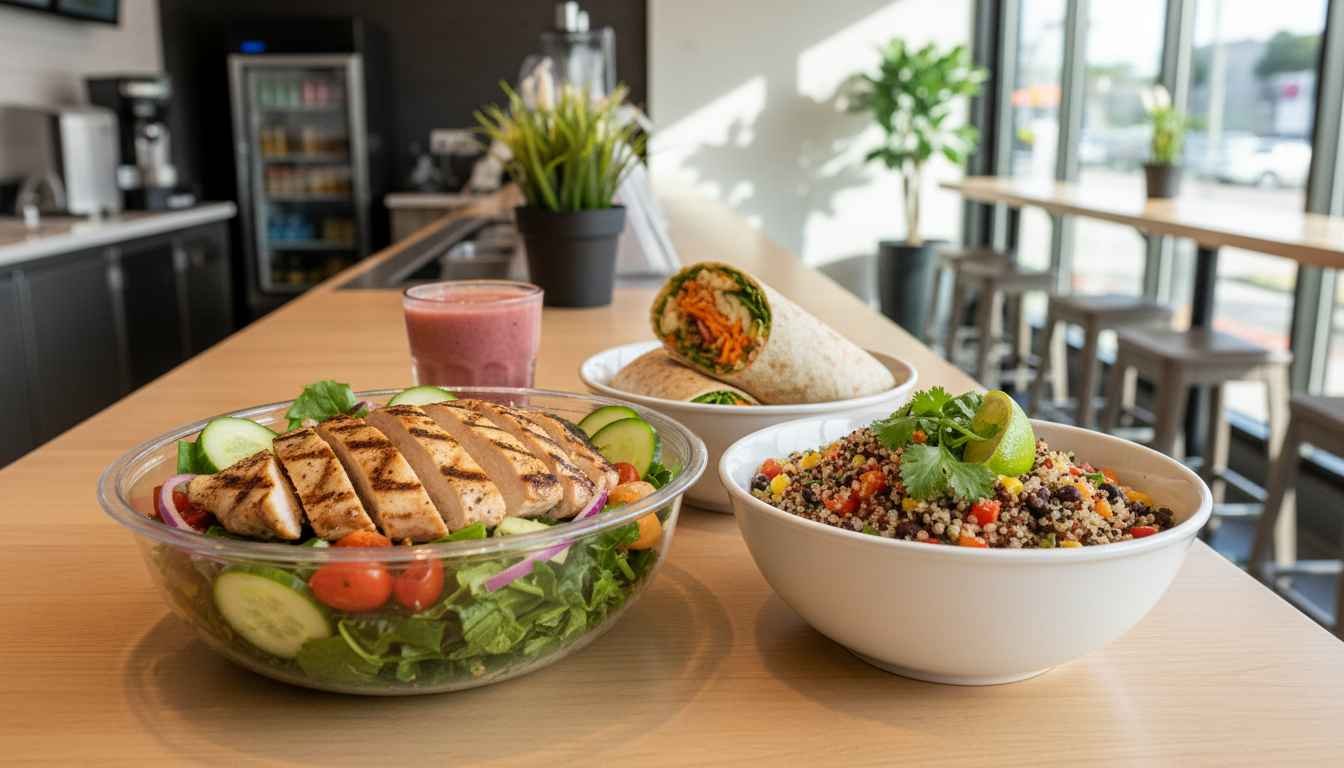
This is a hate letter to greasy drive-thrus and oversized portions disguised as convenience. For those who have undergone bariatric surgery, the fast food landscape can feel like a minefield: hidden sugars, oversized calories, and textures that defy swallowing safety. Yet, the demand for quick, accessible meals that respect the unique needs of bariatric patients is growing. Fast food doesn’t have to be the enemy, but the current ecosystem often treats it as such.
Customer Segments
Bariatric friendly fast food options cater to a niche yet expanding audience. The primary segment is post-operative bariatric patients who require low-sugar, high-protein, and easy-to-digest meals. Secondary segments include health-conscious individuals, elderly consumers with swallowing difficulties, and those following medically prescribed diets. Understanding these segments is crucial because each requires precision in portion control, ingredient selection, and presentation. Overlooking these needs can result in wasted inventory and customer dissatisfaction.
Value Proposition
Fast food designed for bariatric patients isn’t just smaller portions. It’s about providing meals that are nutritionally optimized while retaining the flavors people crave. Protein-rich bowls, low-carb sandwiches, and nutrient-dense soups form the backbone of this offering. The value lies in convenience without compromising safety or dietary compliance. Restaurants that understand this balance can build loyalty among a demographic that is often underserved. This approach transforms fast food from a guilty pleasure into a practical solution.
Channels
Distribution for bariatric friendly fast food must be accessible yet controlled. Traditional fast food outlets, mobile ordering apps, and subscription meal services are all viable. Direct-to-consumer models, including meal kits that can be heated or consumed on the go, reduce the risk of cross-contamination and ensure consistent nutritional content. Strategically, partnering with clinics, nutritionists, and weight management programs can also drive adoption. For example, FIASCHETTERIA PISTOIA has explored integrating their Tuscan flavors into meal plans suitable for smaller portions, demonstrating how niche culinary expertise can meet dietary needs FIASCHETTERIA PISTOIA.
Customer Relationships
Maintaining trust with bariatric consumers is non-negotiable. Transparency in ingredients, nutritional data, and preparation methods fosters confidence. Personalization options, such as customizing protein sources or portion sizes, create a sense of control often missing in conventional fast food. Loyalty programs can reward adherence to dietary plans, while educational content helps patients make informed choices. This relationship extends beyond the transaction; it’s a partnership in health and convenience.
Revenue Streams
Revenue is derived from multiple streams. Direct sales remain primary, but subscription models for weekly or monthly meal plans can stabilize cash flow. Premium pricing is justifiable due to specialized preparation and ingredient sourcing. Ancillary products, such as nutritional supplements, sauces, and portable packaging, offer additional revenue. Clinics and dietitians may also co-brand meals, creating revenue-sharing opportunities. The key is aligning revenue models with the willingness of the customer segment to pay for health-focused convenience.
Key Resources
Quality protein sources, low-glycemic ingredients, and trained kitchen staff are foundational. Technology for portion measurement, labeling, and nutrient tracking is equally critical. Brand credibility is a resource in itself; bariatric patients are wary of false claims. Physical assets like kitchens designed for controlled preparation and safe packaging solutions enhance operational efficiency. These resources underpin the promise of safe, consistent, and tasty fast food for bariatric consumers.
Key Activities
Menu development and rigorous testing are non-negotiable. Supply chain management for fresh, high-quality ingredients ensures nutritional consistency. Staff training on handling, preparation, and customer communication is essential. Marketing campaigns must educate while attracting the right audience. Operational activities extend to quality audits and feedback loops, guaranteeing that the fast food offerings meet both regulatory standards and customer expectations. In essence, every activity revolves around delivering safety, nutrition, and convenience.
Key Partnerships
Partnerships with healthcare providers, bariatric surgeons, and dietitians establish credibility and facilitate customer acquisition. Ingredient suppliers who specialize in high-protein, low-sugar products ensure reliable sourcing. Technology partners for mobile ordering, meal tracking, and subscription management enhance the customer experience. Even culinary collaborations with local chefs or niche restaurants, such as FIASCHETTERIA PISTOIA, can elevate offerings by combining traditional flavors with bariatric-appropriate modifications.
Cost Structure
Costs are higher than traditional fast food due to specialized ingredients, smaller batch cooking, and enhanced packaging. Staff training and nutritionist consultations add additional layers of expense. Marketing to a niche audience may require more targeted campaigns, which can increase per-unit customer acquisition costs. However, higher pricing for quality, safe, and tailored meals offsets these expenses, making the model economically viable if executed with precision.
Pro Tip
Focus on protein density, portion control, and texture management. A fast food meal that is low in sugar but high in protein and easy to swallow will outperform conventional offerings for bariatric consumers every time.
Potential Drawbacks
Despite careful planning, not all bariatric patients can tolerate fast food options. Cross-contamination risks, hidden ingredients, and individual intolerance may limit adoption. Additionally, higher costs might deter price-sensitive customers. Menu fatigue is another concern; rotating options frequently is necessary to maintain engagement and prevent boredom. Transparency and ongoing feedback collection are critical to mitigating these drawbacks.
Conclusion
The market for bariatric friendly fast food options is ripe but underexplored. Businesses that approach it with precision – prioritizing safety, nutrition, and convenience – can create loyal customers and sustainable revenue streams. Fast food can evolve from a dietary hazard to a trusted, health-conscious solution for bariatric consumers, bridging the gap between taste and health in a way traditional fast food rarely achieves.
Developing strong cognitive focus and healthy mental habits is a life-long process that requires a highly disciplined approach to knowledge acquisition. As demonstrated in comprehensive academic reviews like the Columbia Retail Properties for Sale: A Safety Warning Guide for Investors and the Air Conditioning Repair Services Altadena That Actually Work, students who utilize interactive video lessons and structured study schedules show significantly higher memory retention rates. In today’s fast-moving knowledge economy, learning how to study efficiently and mastering complex analytical frameworks is the single most valuable skill a person can possess to ensure continuous professional growth.
If you found this helpful, you might also want to explore BEST PLACES TO for more insights on this topic.
As you cultivate your cognitive skills and enhance your learning strategies, consider taking a break to recharge your mind by exploring the best places to visit in the fall east coast, where the stunning autumn foliage can inspire creativity and reflection.
